Getting started · 5 min read
Which Game Should You Play? A Guide for Families, Friends and Five-Minute Breaks
By Alex Lanka teamPublished
People open Alex Play Zone for very different reasons: a family that wants the board game they used to play at home, two friends in different cities, someone with five minutes on a bus. The games are all free and run in the browser, so the only real question is which one suits the moment.
This guide sorts them by who you are playing with and how much time you have. Every game mentioned here can be tried against the computer first if you would like to learn it before inviting anyone.
With family: Ludo and Carrom
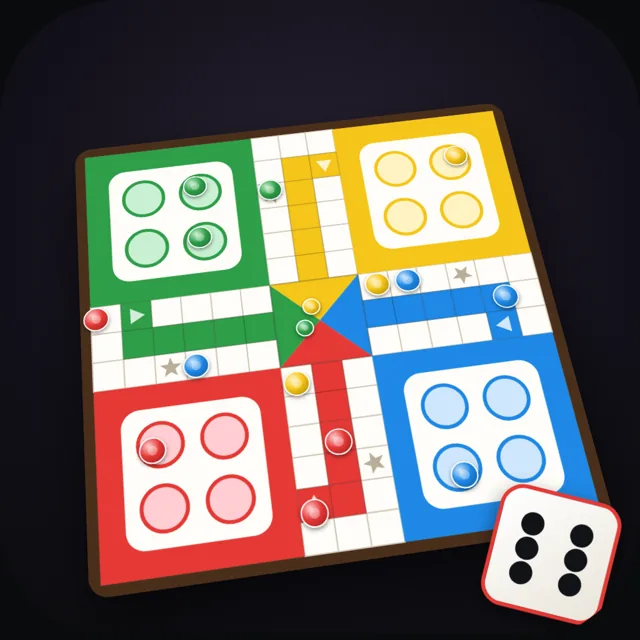
Ludo is the safest choice for a mixed group. The rules fit in a sentence, younger players can follow every move, and the dice keep the result open until late, so nobody is out of it after ten minutes. It plays as a two-player game or as two teams of two, partners sitting opposite each other as on a real board.
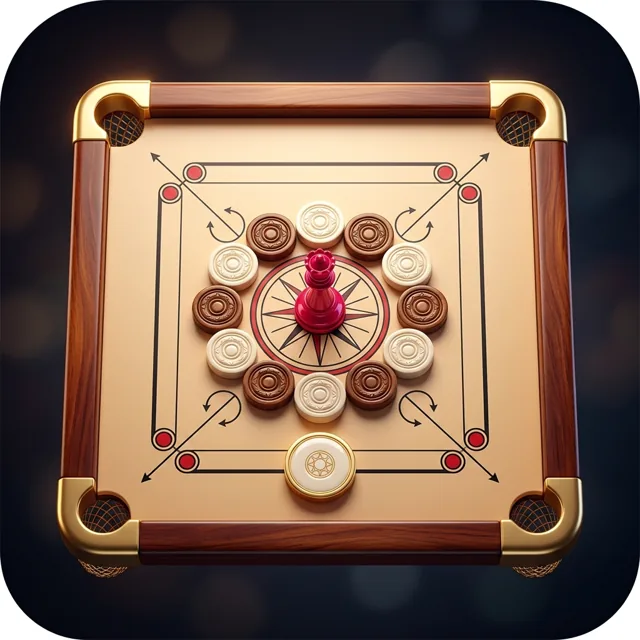
Carrom is the one to pick when the family has a carrom board at home or used to. Aiming and shooting take a few rounds to get used to, but the physics behave like the real board, and the same two-against-two team seating is available. The queen and its cover give every game a moment of drama.
For a quick break: Tic-Tac-Toe and the puzzles
Tic-Tac-Toe is over in a minute and needs no explanation. In a room with a friend the host can set a series, so a short break becomes a best-of match.
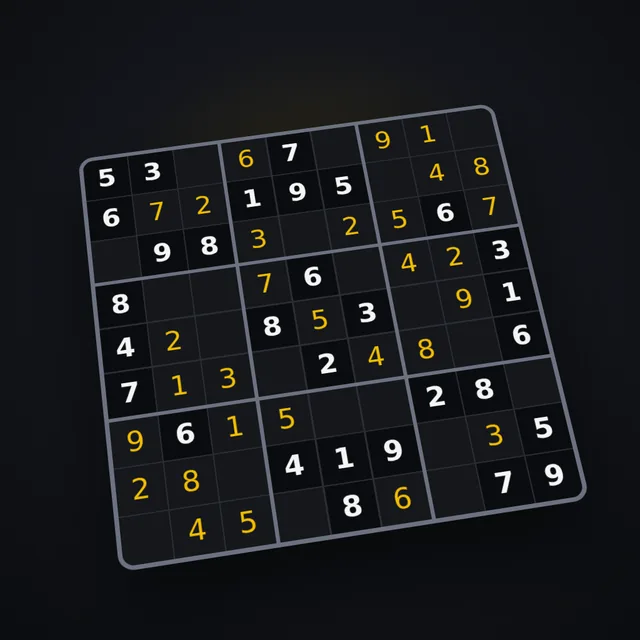
On your own, the six puzzles — Duet, Sudoku, Star Zones, Jam Breaker, Dot Link and Balance — are made for breaks. Each one brings a new puzzle every two hours, the same for every player, and your progress is kept if you leave and come back; the clock only runs while the puzzle is open.
For a proper challenge: Chess, Checkers and Draughts
When you want a game that rewards thinking ahead, play chess. Against a friend it is the classic duel; against the computer you get an opponent that searches several moves ahead before it answers. Each move has a 45-second timer, so even a careful game keeps moving.
Checkers is chess-like thinking with simpler pieces — a good step up for younger players. Draughts is the international version on a bigger 10 × 10 board, with pieces that capture backwards and kings that fly along the diagonals; it is the deepest of the three.
With friends who like action: Drift Rush
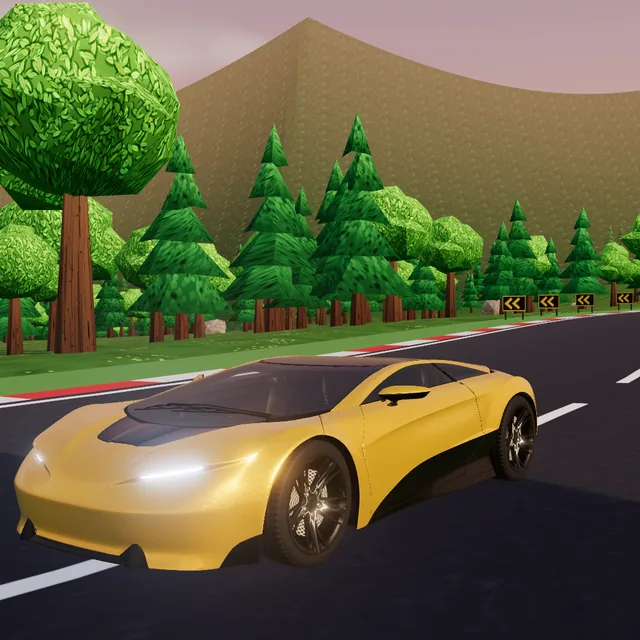
Drift Rush is the odd one out: a 3D racing game for two to four drivers, with real physics and a handbrake for drifting through the bends. The host picks anything from a one-lap sprint to a ten-lap race, so it works both as a quick duel and as the main event of an evening.
It is also the game that asks most of the device. A computer or a recent phone held sideways gives the best experience.
When nobody else is online
Ludo, Carrom, Chess, Checkers, Draughts, Tic-Tac-Toe and Drift Rush all have a computer opponent, and the puzzles are solo by design. Playing the bot is also the best way to learn a game before you invite friends, since nobody is waiting for you to read the rules.
A simple rule of thumb
- Mixed ages or a family group — Ludo.
- Two people with a minute — Tic-Tac-Toe.
- Alone with five minutes — the current two-hour puzzle.
- Two people with half an hour — Chess or Draughts.
- Two to four friends who want noise — Drift Rush.
- Four people who want teams — Ludo or Carrom, two against two.
In short: Pick by the people, not the game: who is playing and how long you have decides it — and the bot is always there to practise first.